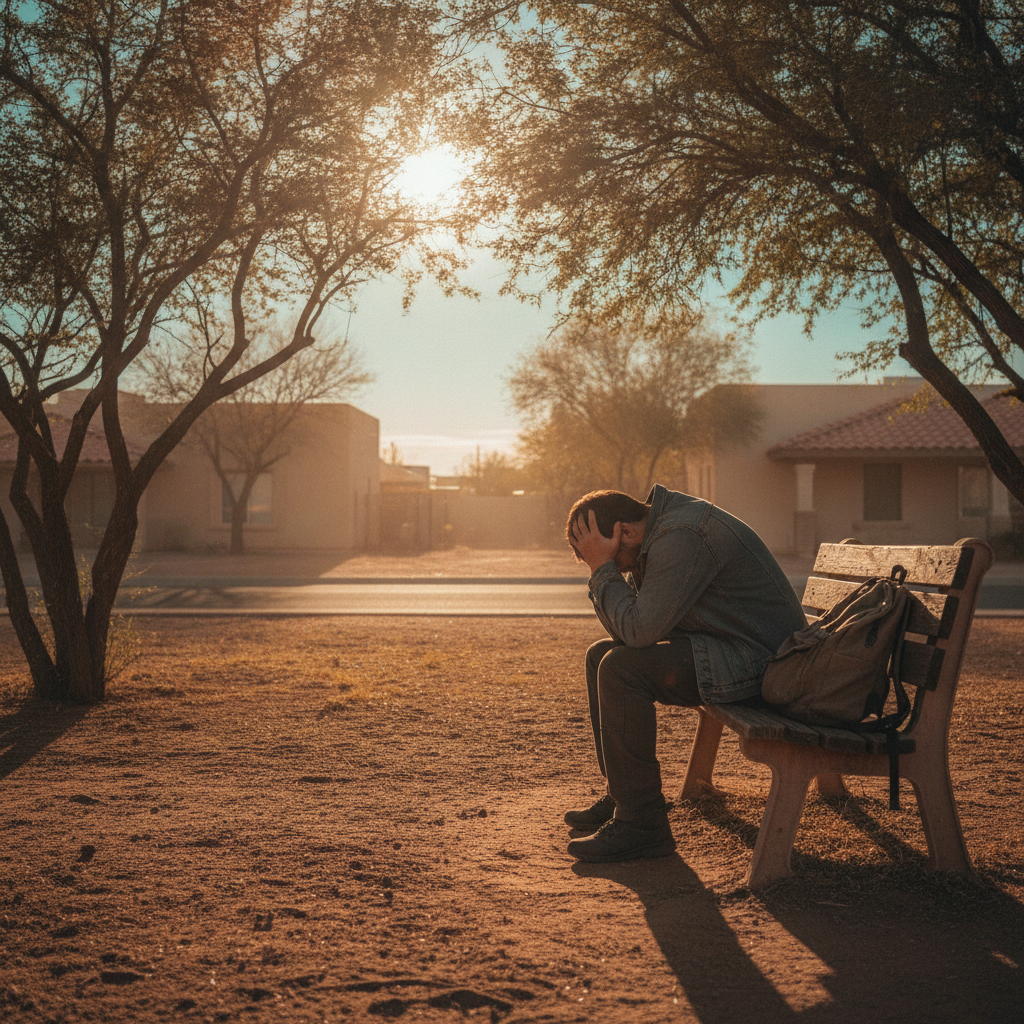
You finish an hour of group on Wednesday morning at Recovery In Motion, your therapist wraps up psychoeducation on boundaries, and then she dims the lights, guides you through a body scan, and afterward you notice the tightness in your jaw has released for the first time in weeks. That is yoga therapy showing up in a real IOP week. It is not a separate yoga class you might skip, but a grounding technique built into the group you already attend, taught in plain language, practiced together, and available the next time a craving or panic wave starts in your chest instead of your head. When you search for yoga therapy in Tucson tied to addiction recovery, this is what you are actually looking for: a tool that reaches the part of relapse that talk alone rarely touches.
What Yoga Therapy Actually Means in Addiction Treatment, and What It Is Not
Yoga therapy in this setting means slow deep breathing, body scans, progressive muscle relaxation, and somatic psychotherapy, all delivered by licensed clinicians inside group and individual sessions. It is not a once-a-week yoga class you attend on your own, and it is not a fitness or flexibility program.
The distinction matters because most of what you find online about yoga therapy comes from studios and wellness brands. They describe yoga as a self-care add-on, something you do in your spare time to feel a little calmer. That is not what happens here. At Recovery In Motion, these mind-body interventions are treated as clinical skills. In group, a facilitator introduces the technique, explains why it works, demonstrates it, and then the whole group practices it and talks through what came up. You are not stretching for the sake of stretching. You are learning to notice a physical stress signal and interrupt it on purpose.
Think of it like a fire drill for your nervous system. You do not wait until the building is burning to figure out where the exits are. You practice the breathing and the body scan when you are calm, in a room with people who understand, so the skill is already wired in when a real craving hits. That practiced, clinical framing is the whole point. It is the difference between hoping you feel better and knowing a specific thing to do when your body starts to spin.
Why Cravings Start in Your Body Before They Reach Your Mind
A craving is rarely about wanting the drug. It usually arrives as a physical response to an emotion or a stressor: a tight chest, a knotted stomach, a clenched jaw, a racing heart. Only after that physical wave hits does the conscious thought about using show up. Your body reacts first, then your mind narrates it.
That sequence is why talk therapy alone often cannot stop a craving in the moment. By the time you can put the feeling into words and reason with it, the physical alarm has already been ringing for a minute or two. This is exactly the gap the Recovery In Motion team set out to close. They paired physical wellness (sleep hygiene, diet, exercise) and mind-body interventions with evidence-based modalities because they saw that cravings are rarely about wanting the drug and are usually a response to an emotion or stressor, and traditional programs that stay above the neck tend to leave that mind-body connection untreated.
Movement and breath work because they speak the body’s own language. Slow, deliberate breathing signals to your nervous system that the emergency is over, which lets the physical arousal settle before it can build into a full craving. Research on mind-body practices supports this. The National Center for Complementary and Integrative Health reports that yoga and related practices can help with stress and pain, both of which frequently drive substance use. The Department of Veterans Affairs, through its Whole Health program, uses yoga to help with stress, anxiety, and symptoms tied to trauma, which so often sit underneath addiction. When you learn to catch that first physical signal, you buy yourself the seconds you need to choose something other than using.
How Does Yoga Therapy in Tucson Fit Into a Typical IOP Week?
Yoga therapy in Tucson fits into the Recovery In Motion intensive outpatient program not as a fixed daily class but as tools that can appear inside any group block, depending on what the group needs that day. The IOP runs Monday through Friday, 8 a.m. to noon, and movement, breathwork, or a body scan can surface in process group, check-in, or psychoeducation.
Here is the actual shape of the week. On Monday, Wednesday, and Friday you have one hour of process group, one hour of check-in group, and an hour and a half of psychoeducation. On Tuesday and Thursday you have two and a half hours of psychoeducation and one hour of check-in. There are no set days stamped “yoga” on the calendar; it varies by group and facilitator. Instead, a facilitator reads the room. If the group walks in wound tight after a hard weekend, a check-in might open with a few minutes of slow deep breathing or a grounding exercise before anyone talks. If a psychoeducation session on stress lands heavy, it might close with a body scan so nobody leaves carrying that charge into the parking lot. Psychoeducation groups fold in yoga and meditation on occasion.
This flexible, woven approach is deliberate, and it is what sets the program apart from a generic yoga class you could book anywhere else in Tucson. A studio class exists on a schedule regardless of who shows up. Here, the intervention is matched to the clinical moment. You are more than a diagnosis, and the day’s plan bends to what the people in the room actually need. That is integrated care in practice: the movement is not bolted on, it is part of the same treatment that addresses your substance use and your mental health at the same time.
Who Teaches These Tools, and What Are Their Credentials?
The clinicians who deliver these movement-based interventions are licensed and accredited, which is what separates clinical yoga therapy in Tucson from recreational wellness. Recovery In Motion is accredited by the Joint Commission, the clinical director holds LPC and LIAC credentials, and the team includes an LAC therapist along with behavioral health technicians who help run peer groups.
Credentials matter more here than they might seem at first. When a technique like a body scan or somatic work touches on stress, trauma, or emotion, you want the person guiding it to be trained to handle whatever comes up. Somatic psychotherapy can surface strong feelings, and a licensed clinician knows how to keep that safe and useful rather than overwhelming. Joint Commission accreditation means the program meets recognized standards for care and safety, the kind of standard the International Association of Yoga Therapists points to when it distinguishes qualified therapeutic delivery from a general fitness class. This is not someone leading poses off a video. It is clinically supervised care.
There is also a detail here you will not find at most programs. A few people who completed treatment at Recovery In Motion went on to earn their peer recovery support specialist (PRSS) certification and came back to work on the team. They practiced these same breathing and grounding tools as participants, and now they carry lived experience of what actually helps into their work with new clients. That says something no brochure can: the people who used these tools believed in them enough to build a career around passing them on.
What to Expect When You Use These Tools in Group and on Your Own
You can expect to learn each skill the same practical way: it is introduced, explained, demonstrated, and then you practice it with the group and discuss how it felt. Psychoeducation groups fold in yoga and meditation on occasion, varying by group and facilitator, so the skill set builds over time rather than arriving all at once.
In one-on-one sessions, your individual therapist can go deeper with somatic psychotherapy, which addresses the physical side of emotion and stress directly. You learn to locate where tension actually lives in your body, whether that is the jaw, the shoulders, or the pit of your stomach, and to interrupt it with progressive muscle relaxation or a body scan before it climbs into a craving. That personal mapping is powerful because everyone holds stress differently. Once you know your own early warning signs, you can act on them earlier, when the wave is a two out of ten instead of an eight.
The real test comes outside the building. A craving or a panic wave does not wait for group. It shows up in the grocery line, in traffic, in a hard phone call. Because you rehearsed the slow deep breathing and the body scan when you were calm and supported, the tool is already yours when you need it alone. That portability is the goal. You are not dependent on being in the room, and you leave with something concrete you can do anywhere, which is exactly what recovery in the real world asks of you. The health.gov review of yoga evidence notes yoga’s role in supporting several health conditions, and used this way, inside real clinical treatment, yoga therapy in Tucson becomes one more dependable skill in your recovery toolkit.
Frequently Asked Questions
Do I need yoga experience to benefit from yoga therapy in addiction treatment?
No. These are simple breathwork and body-awareness techniques, such as slow deep breathing and body scans, taught in plain language during group therapy. There are no complicated poses and no prior experience required. If you can breathe and notice how your body feels, you can do this.
How is yoga therapy different from a yoga class I could take anywhere in Tucson?
Yoga therapy in addiction treatment is delivered by licensed clinicians as part of evidence-based group and individual sessions. It targets the stress-craving loop, not general fitness or flexibility. A studio class runs on a fixed schedule; here the intervention is matched to your clinical needs.
Will I do yoga every day in IOP at Recovery In Motion?
Not as a separate daily class. Mind-body interventions like slow deep breathing, body scans, and progressive muscle relaxation appear inside psychoeducation, process, and check-in groups as needed, woven into the Monday through Friday, 8 a.m. to noon schedule rather than set on fixed yoga days.
Can movement-based interventions help with co-occurring anxiety or trauma symptoms?
Research suggests trauma-sensitive yoga and breathwork can help reduce anxiety and trauma-related symptoms, both of which frequently co-occur with substance use disorders and drive the physical craving response. That is a core reason these tools sit inside integrated care here, alongside somatic psychotherapy in individual sessions.
Is yoga therapy in Tucson covered by insurance at Recovery In Motion?
Mind-body interventions are integrated into IOP programming, which may be covered depending on your plan. Recovery In Motion accepts AHCCCS, Medicaid, Blue Cross Blue Shield, Molina, Banner Health, and TRICARE. Verify your specific coverage and any prior authorization with the admissions team before you start.
What credentials do the clinicians have who teach these techniques?
Recovery In Motion is Joint Commission accredited. The clinical director holds LPC and LIAC credentials, and an LAC therapist trained in somatic work helps deliver these movement-based interventions, supported by behavioral health technicians who run peer groups. Several team members completed the program here, earned their peer recovery support specialist certification, and joined the team.
Call Recovery In Motion in Tucson today to ask how mind-body interventions are woven into IOP groups and individual sessions, and whether the program accepts your insurance. You deserve care that treats the whole person, addiction and mental health together, with dignity and respect, and a real plan for the moment a craving starts in your body.