Holistic Rehab in Tucson: How Movement and Mind-Body Wellness Boost Recovery
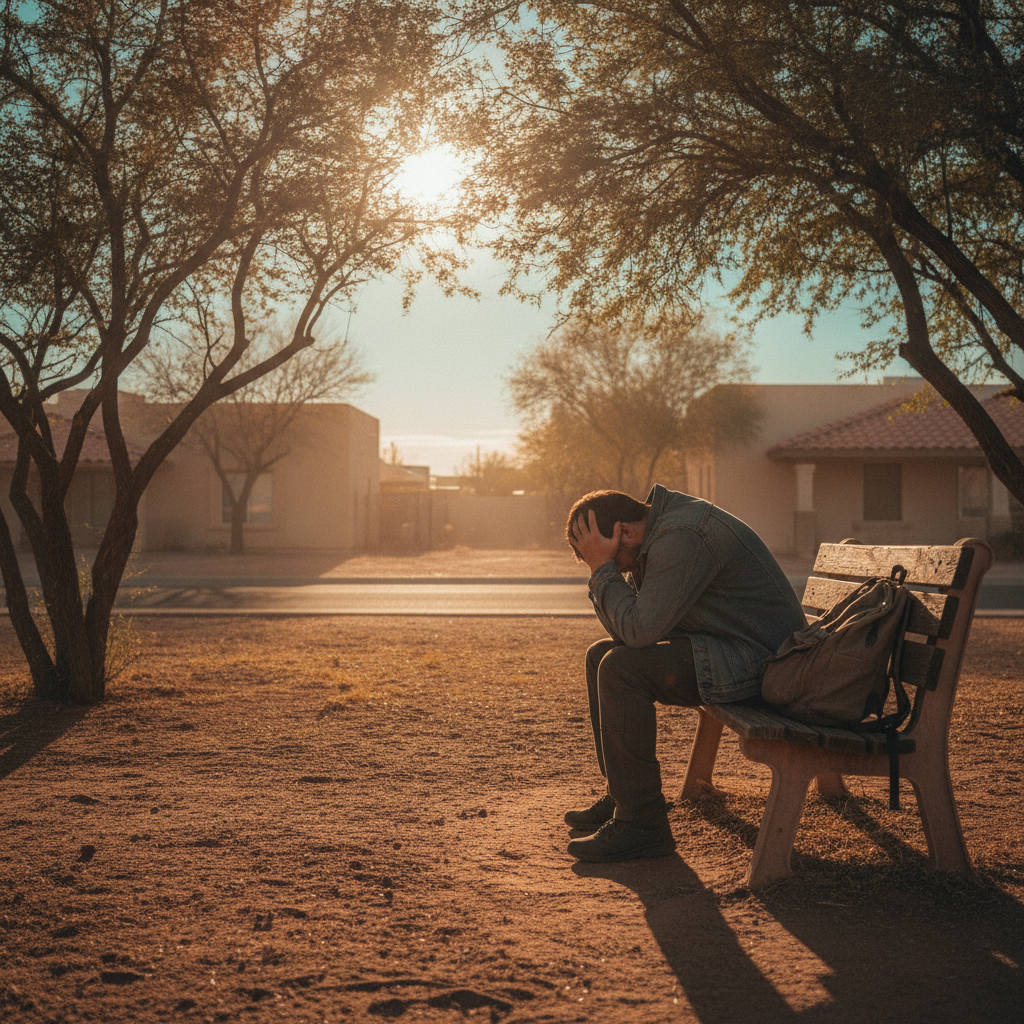
You’re in your third group therapy session of the week, talking through the reasons you used, and you understand every word, but your chest is still tight, your hands won’t stop shaking, and by Thursday night the craving is back because your body never got the memo that you decided to stop. That gap, between knowing what to do and being able to actually do it, is where movement and mind-body work in recovery earns its place. It is not a spa add-on. It is the part of treatment that reaches the parts of you that talk therapy alone cannot.
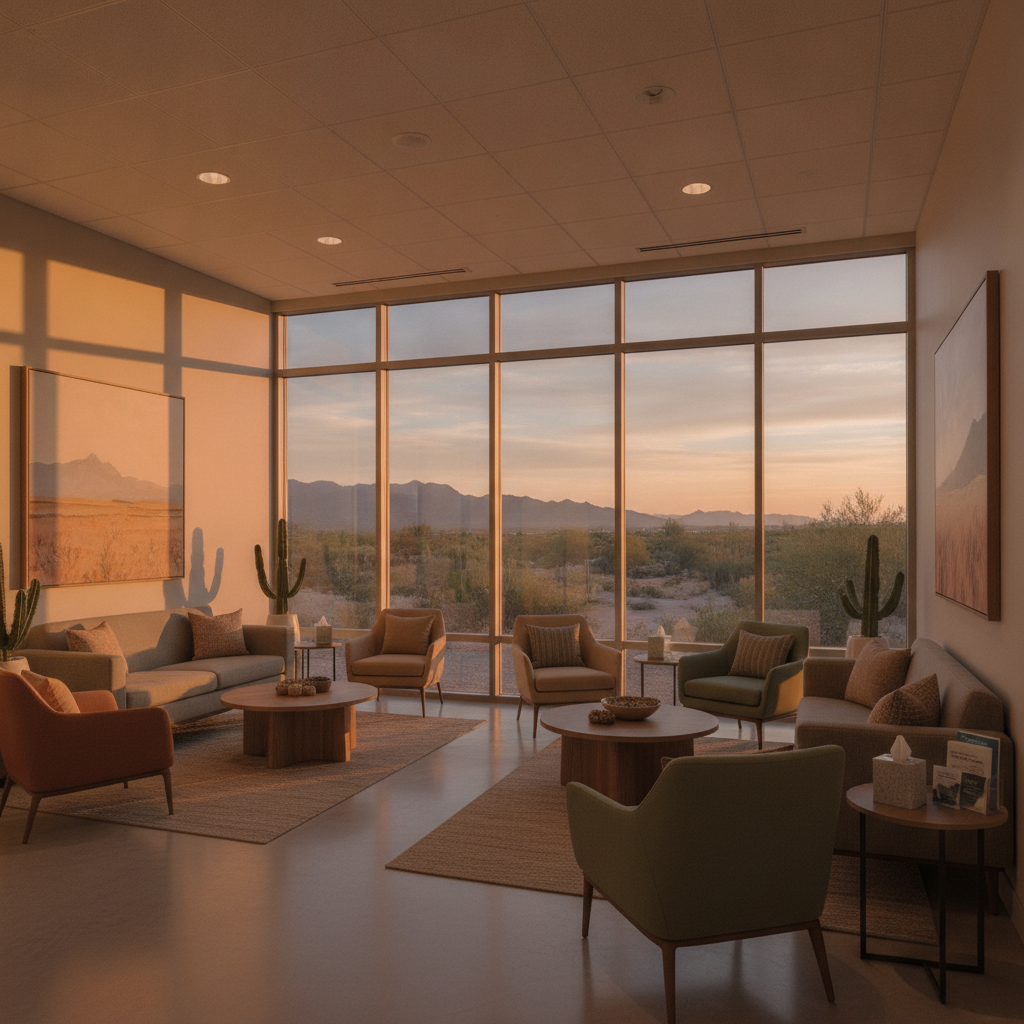
If you have searched “holistic rehab centers” in Tucson, you have probably seen a lot of the same photos: horses, yoga mats, a pool at a desert ranch. Those images tell you very little about what actually happens in the room, who runs the work, or whether any of it connects to real clinical care. This article breaks down what holistic rehab means in addiction treatment, why your body holds onto cravings after your mind has moved on, and how movement and creative therapies fit into an evidence-based plan you can use while living at home.
What Holistic Rehab Actually Means in Addiction Treatment
Holistic rehab means treating the whole person, your body, your emotions, your nervous system, and your history, not just the substance. The problem is that the word has been stretched so thin by marketing that it can mean almost anything. A photo of a yoga class does not tell you whether a licensed clinician built that class into your treatment plan or whether it is a loosely supervised activity meant to fill an afternoon.
At Recovery In Motion, holistic care is not a standalone menu of wellness activities. It is accredited, supervised clinical work. Recovery In Motion is accredited by the Joint Commission, and every holistic and movement-based intervention runs inside a treatment plan overseen by a clinical director who holds LPC and LISAC credentials, with a licensed associate counselor (LAC) and behavioral health technicians who run the peer groups rounding out the team. That structure matters. It means art therapy, music, and sound healing are documented, accountable, and tied to your specific goals, not improvised. When a group works on urge surfing or boundary-setting, a licensed clinician has signed off on why that work belongs in your plan.
Here is the honest local picture. Most Tucson programs marketing “holistic rehab centers” put yoga and equine therapy at the residential level, inside a controlled environment where a ranch protects you from your ordinary triggers. That has value for some people. But Recovery In Motion offers creative and movement-based care at the intensive outpatient (IOP) level, the level where you go home at night and face the same kitchen, the same phone, the same 2 a.m. that used to send you back to using. Learning to regulate your nervous system on a ranch is one thing. Learning to do it in your own living room, where you actually live, is the skill that keeps you sober after treatment ends.
Why Your Body Holds Onto Cravings After Your Mind Decides to Stop
A craving is rarely a simple wish for the drug. Recovery In Motion frames it plainly: cravings are usually a response to an emotion or a stressor rather than an actual desire for the substance. You feel the racing heart, the tight chest, the restlessness, and the drug or drink was just the fastest tool you ever found to make those sensations stop. This is why you can sit in group, fully understand every reason you want to quit, and still get blindsided by a wave of craving hours later. Your thinking brain got the message. Your body did not.
The National Institute on Drug Abuse points to stress and negative emotional states as among the most common triggers for return to use (NIDA). That is the whole reason mind-body work is clinically relevant rather than optional. If stress and hard emotions are what pull you back, then learning to calm a dysregulated nervous system is not a soft skill. It is relapse prevention.
Recovery In Motion treats cravings exactly this way: as a response to an emotion or stressor, not a straight pull toward the substance. The clinical team walks you through the brain chemistry of addiction so you understand what dysregulation actually is and why your body reacts the way it does. When you know that your shaking hands and tight chest are your stress response firing, not a moral failure, you can meet the moment with a coping skill instead of shame. Medication-assisted treatment, medically prescribed and monitored, helps bridge that gap early in recovery, while physical wellness practices (sleep hygiene, diet, and exercise) steady the body underneath the emotional work.
The gap this closes is the one almost nobody names. You can leave a therapy session with a perfect plan and still be unable to run it when your body floods at midnight. Insight lives in one part of the brain. Regulation lives in another. Movement and creative therapies are how you build the second one, so that knowing what to do finally turns into being able to do it.
How Movement and Creative Therapies Rewire the Stress Response
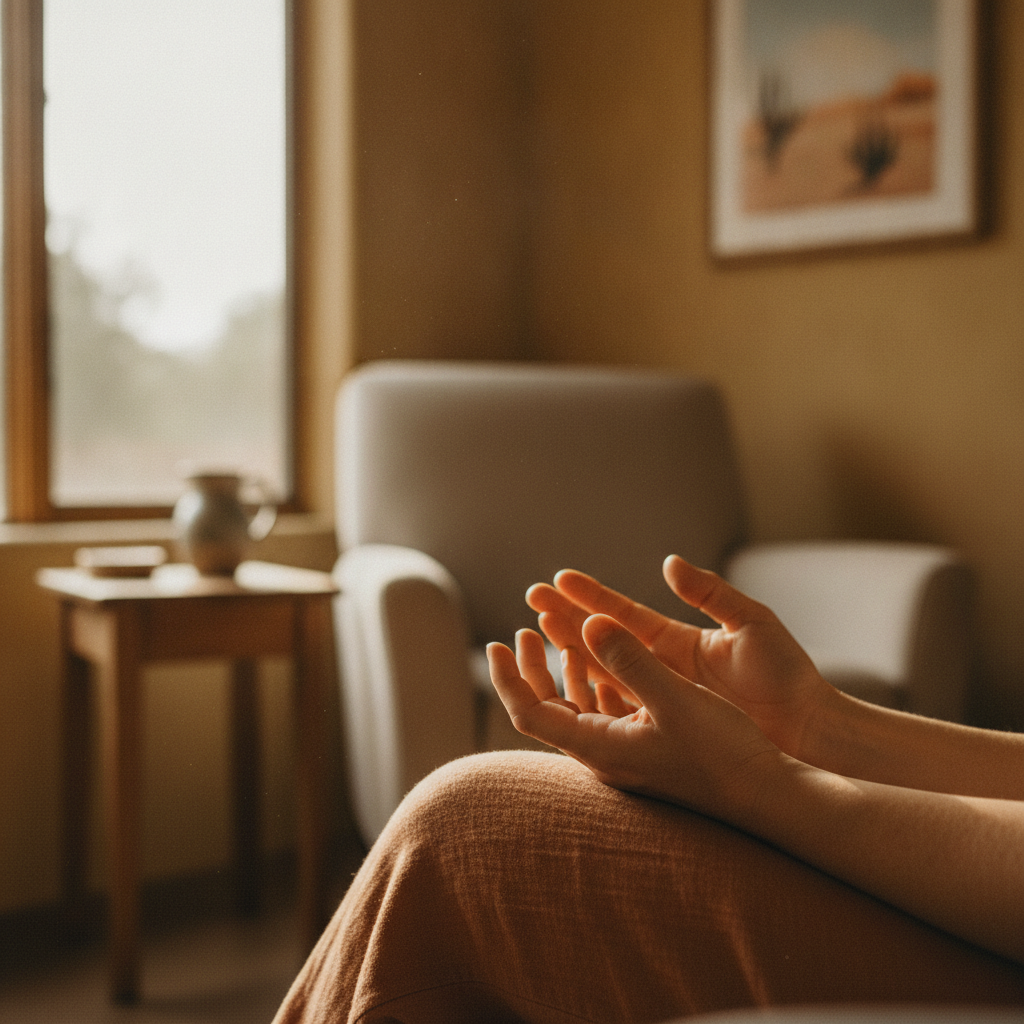
Movement and creative work give you a way to process a trigger through your body, not just talk about it. Recovery In Motion pairs creative therapies (art therapy, music, and sound healing) with the evidence-based coping skills that carry clinical weight: urge surfing and delay-and-distract techniques, values clarification, boundary-setting, anxiety management, relapse prevention planning, affirmations, and role-playing to practice hard conversations before you have them for real.
Picture how this fits together on a single day. In a morning group, you practice urge surfing: instead of fighting a craving or feeding it, you ride the wave, watching it rise, peak, and fall while it stays uncomfortable but survivable. That teaches your nervous system that a craving is a wave, not a command. That evening, in a creative session, you take the same trigger that set off the urge and work it through art, music, or sound, where the feeling can move out of your body in a form that words could not reach. Two different doors into the same problem. One engages your thinking brain, the other engages the body that actually holds the stress.
None of this replaces evidence-based care. It runs alongside it. Medication-assisted treatment, cognitive behavioral work, dialectical skills, motivational interviewing, and trauma-informed care form the clinical spine, and the movement and creative pieces make those tools land in the body rather than staying stuck in your head. Clients also attend 12-step meetings, so peer connection reinforces the skills. The point is integration, not separation. Sound healing is not instead of your medication. Art therapy is not instead of relapse prevention. They work together, which is exactly what “holistic” is supposed to mean and rarely does.
Who Gets the Most Out of Mind-Body Work in Recovery
If your substance use is tangled up with a mental health condition, mind-body work is not an extra. It is central. Recovery In Motion treats co-occurring conditions including PTSD, anxiety, depression, bipolar disorder, ADHD, OCD, personality disorders, and sleep and stress disorders, alongside general mood disorders. These are all conditions where the physical symptoms often drive the substance use more than any conscious wish to get high.
Think about what that looks like in a body. PTSD sends a racing heart and a flood of adrenaline when nothing in the room is actually dangerous. Anxiety keeps your muscles braced and your thoughts sprinting. Depression flattens your energy until numbing feels like relief. A sleep disorder stacks one exhausted night on the next until anything that promises rest looks worth the cost. In each case, the drink or the drug is a shortcut to quiet a physical state you did not choose. Talk therapy can help you understand the pattern. It cannot always reach down and calm the body that keeps setting the pattern off.
This is why holistic care is essential for dual diagnosis rather than a nice option. Recovery In Motion was built as integrated care, treating addiction and mental health together, because you cannot pull the two apart when the symptoms feed each other. When you learn to lower a racing heart, release muscle tension through movement, or process a trauma trigger through art, you are treating the engine of the craving, not just the craving itself. For someone whose use has always been a way to manage a body that would not settle, learning to regulate that body directly is the difference between managing symptoms and actually recovering.
What Holistic IOP Looks Like When You Are Living at Home
Holistic IOP means you get real clinical care and mind-body tools while you keep living your life, sleeping in your own bed, keeping your job, staying near your kids. Recovery In Motion delivers its holistic programming at the IOP level, paired with sober living and supportive housing, while detox, residential, and PHP are referred out to trusted medical partners when someone needs that higher level of care first. The IOP level is where the skills get tested in real conditions.
That matters because a Tuesday night at home is where recovery is actually won or lost. It is not a group session that breaks you. It is the hour after, when you cannot sleep, the house is quiet, and the old solution is a short drive away. When you learn urge surfing and grounding techniques while still living in that environment, you are practicing them where you will actually need them. A ranch protects you from the trigger. IOP teaches you to walk through the trigger and stay standing. Both have a place, but only one prepares you for the ordinary week ahead.
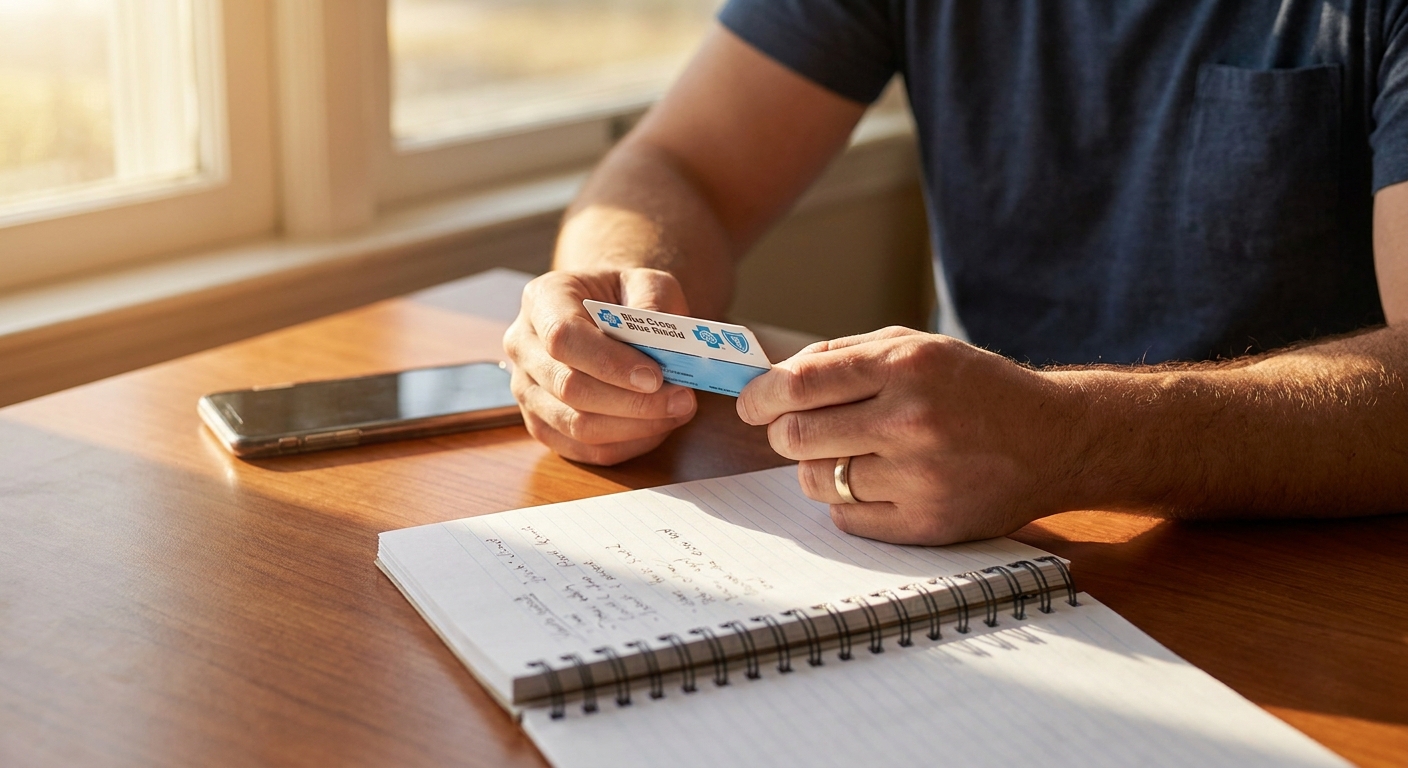
Cost and access are usually the next worry, and it is a fair one. Holistic care has a reputation as luxury care, something priced only for people who can afford a private desert retreat. Recovery In Motion works against that by offering this programming at the IOP level and accepting AHCCCS and Medicaid along with commercial plans including Banner Health and Molina. That means a person managing real bills, a real job, and a real family can access movement and creative therapy inside an accredited program without needing a residential budget. Among holistic rehab centers, the ones that meet you where you actually live, financially and physically, are the ones that fit an ordinary life. That is the whole point.
Why People in Recovery, Not Just Textbooks, Lead the Movement and Creative Groups
The people leading many of the peer and creative groups at Recovery In Motion have used these tools to stay sober themselves. The majority of the staff are in recovery, and several of them completed this same program, earned their peer recovery support specialist (PRSS) certification, and came back to work on the team. When they teach you urge surfing or walk you through a grounding exercise, they are not reading from a manual. They are telling you what kept them upright on their own hard nights.
That lived experience changes what happens in the room. A behavioral health technician who once sat in your seat can tell when “I’m fine” means something else, and can name the exact moment a skill saved them, because it did. It is one thing to be told a breathing exercise regulates your nervous system. It is another to watch someone who was where you are now use that same skill to build years of recovery. That proof lowers your guard in a way a credential alone cannot.
This is not peer support running loose. Every group operates under the supervision of the licensed clinical director, so lived experience and clinical accountability work together. The proof shows up in real outcomes. One trauma survivor who came through the program reached two years sober, earned her RSS and PRSS certifications, and now advocates for other survivors of sexual assault. The same structure has turned around clients who came in resisting it: one person went from missing two groups, two case management appointments, and arriving late four times to 100 percent attendance with zero missed sessions. Recovery In Motion also takes people other facilities turn away, including those arriving straight from incarceration, because the belief here is that you are more than a diagnosis and more than your worst chapter. When the person guiding your group has walked the same road out, the message is hard to argue with: these skills work in real life, because they worked for the person standing in front of you.
Frequently Asked Questions
Does holistic rehab mean no medication or traditional therapy?
No. At Recovery In Motion, holistic care integrates medication-assisted treatment (medically prescribed and monitored) and evidence-based therapy with movement and creative modalities, all supervised by licensed clinicians. The creative and mind-body work runs alongside the clinical care, never instead of it.
Can I do holistic rehab if I have anxiety or PTSD along with substance use?
Yes. Recovery In Motion treats co-occurring PTSD, anxiety, depression, bipolar disorder, ADHD, OCD, personality disorders, and other conditions where physical symptoms often drive cravings more than any conscious desire to use. Mind-body work is central to that treatment, not an add-on.
What does art therapy or sound healing actually do for cravings?
These modalities help regulate the nervous system and process emotional triggers through the body. That gives you tools to manage the physical sensations (the tight chest, the racing heart, the restlessness) that often come right before a return to use, since the craving is usually a response to an emotion or stressor rather than the drug itself.
Is holistic treatment only available at expensive residential centers in Tucson?
No. Many holistic rehab centers put this care at a residential price point, but Recovery In Motion offers holistic programming at the IOP level and accepts AHCCCS and Medicaid along with commercial insurance including Banner Health and Molina. That makes this care accessible for people living at home, not luxury-only.
Who runs the movement and creative therapy groups at Recovery In Motion?
Many groups are led by peer support specialists (PRSS-certified) who are in recovery themselves and completed the program, supervised by a clinical director who holds LPC and LISAC credentials, alongside a licensed associate counselor (LAC). Lived experience and clinical oversight work together.
How do I know holistic rehab in Tucson is clinically supervised and not just wellness activities?
Recovery In Motion is Joint Commission accredited, and every holistic intervention is built into a treatment plan overseen by a licensed clinical director. That accreditation and supervision are what separate accountable, evidence-based care from loosely run activities.
Call Recovery In Motion in Tucson at the number on this page to ask how movement and creative therapies fit into your treatment plan, or verify your AHCCCS or commercial insurance coverage for IOP services today. One concrete step you can take before you call: write down the specific moment your cravings hit hardest, the time of day, the feeling, the place, and bring it to that first conversation. That is exactly the moment the mind-body tools are built to help you get through.