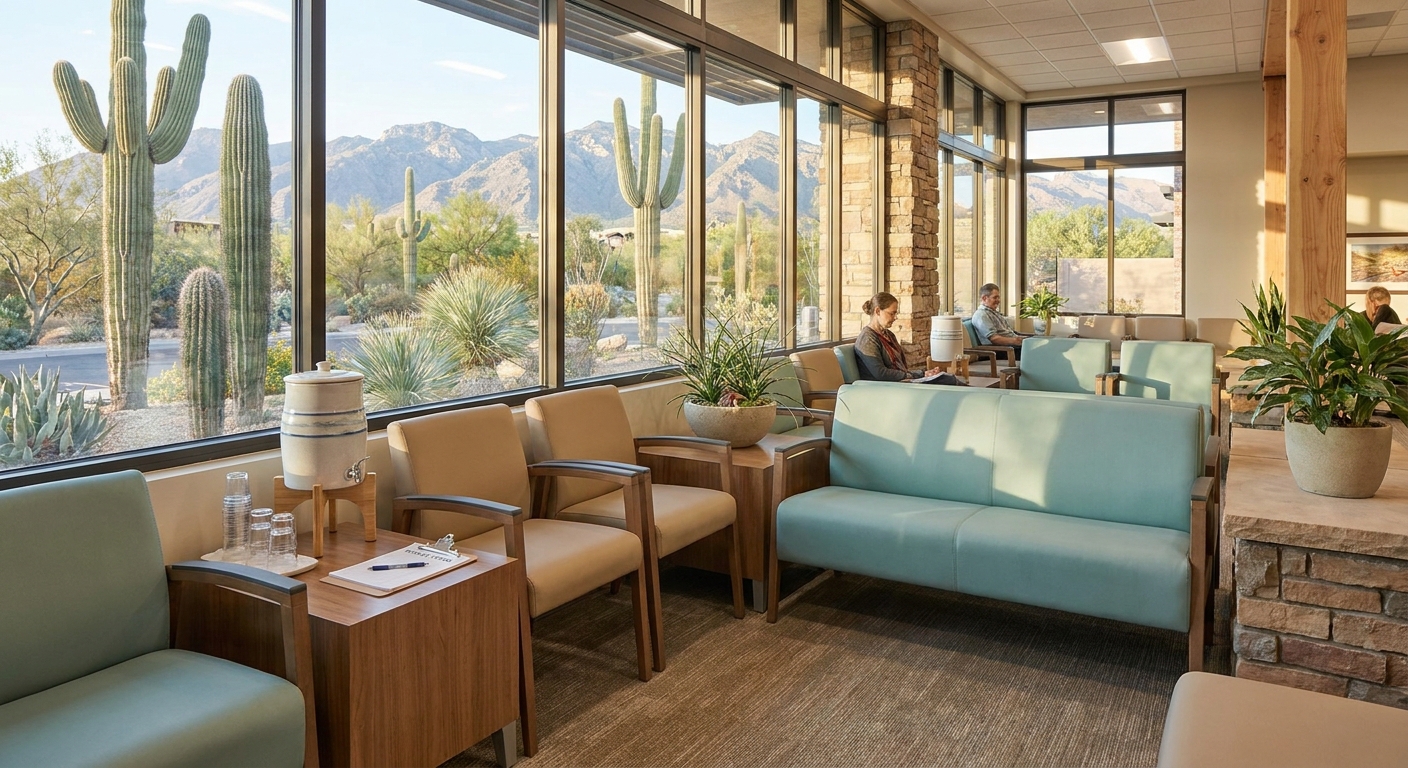
If you’re exploring medicated addiction treatment AZ, you’re taking a crucial step toward reclaiming your health and wellbeing. At Recovery In Motion, our outpatient programs combine FDA-approved medications with evidence-based therapies to reduce cravings, stabilize brain chemistry, and support your journey to lasting recovery. Whether you’re balancing work, family, or school, medicated addiction treatment in Arizona offers flexibility and clinical oversight so you can heal without putting your life on hold.
Medicated addiction treatment AZ overview
Medication-assisted treatment (MAT) pairs FDA-approved drugs with counseling and behavioral therapies to address both the biological and psychological aspects of substance use disorders. In Arizona, you can access outpatient MAT programs that allow you to remain at home while engaging in comprehensive care. By targeting the neurological pathways of addiction, MAT reduces cravings and withdrawal symptoms so you can focus on therapy and rebuilding your life.
Nationwide studies show MAT retention rates above 60 percent and significant reductions in overdose occurrences compared to abstinence-only approaches [1]. The National Treatment Outcome Research Study (NTORS) reported a 49 percent success rate for opioid use disorder management with MAT versus only 7 percent for abstinence programs [1]. In Arizona, outpatient addiction care averages $1,995 for a 30-day program, ranking the state among the more affordable in the Southwest [2].
What is medication-assisted treatment?
Medication-assisted treatment combines:
- Medications approved by the FDA to normalize brain chemistry
- Individual and group counseling to address triggers and coping skills
- Peer support and case management to reinforce recovery goals
This whole-person approach helps you manage cravings, avoid relapse, and engage more fully in the therapeutic process.
Why choose MAT in Arizona?
Arizona treats an estimated 19,482 individuals for substance use disorder each year, with the majority receiving outpatient services [2]. The state’s network of public, private, and tribal providers ensures you can find treatment that fits your budget and needs. Four opioid treatment programs operate 24/7, offering immediate access to methadone and buprenorphine for AHCCCS members, uninsured individuals, and those with limited coverage [3].
Medication options in MAT
MAT uses several classes of medications, each targeting different aspects of addiction. Your clinician will recommend the right option based on your substance use history, co-occurring conditions, and recovery goals.
Buprenorphine therapies
Buprenorphine is a partial opioid agonist that eases withdrawal and reduces cravings without producing euphoria. You can receive it in sublingual tablets or films (Suboxone) or monthly injections (Sublocade). Buprenorphine can be prescribed in physician offices or outpatient clinics, increasing accessibility across Arizona [4].
- Access buprenorphine outpatient Tucson
- Explore sublocade outpatient Tucson
Naltrexone offerings
Naltrexone blocks opioid receptors and moderates alcohol cravings. Oral naltrexone requires daily dosing, while extended-release injectable Vivitrol sustains medication levels for up to a month. Both forms support relapse prevention when paired with counseling [4].
- Learn about vivitrol outpatient treatment AZ
Methadone basics
Methadone is a long-acting full opioid agonist that prevents withdrawal symptoms and blocks the effects of illicit opioids when taken as prescribed. It’s administered daily at certified opioid treatment programs and closely monitored by medical staff [5].
Other supportive medications
For alcohol use disorder, acamprosate stabilizes brain chemistry, and disulfiram creates aversion to drinking. These medications are most effective when you participate in a structured treatment program [4].
Discover Recovery In Motion approach
At Recovery In Motion, we integrate MAT into outpatient settings to help you regain control quickly and safely. Our model emphasizes flexibility, clinical oversight, and individualized care so you can pursue recovery without stepping away from your daily life.
Outpatient MAT programs
You’ll attend regular appointments for medication management, vitals monitoring, and dose adjustments. Our licensed providers work with you to find the right medication and tapering schedule.
- Enroll in our MAT outpatient program AZ
- Choose opioid MAT outpatient AZ for opioid use disorder
Integrating counseling and therapy
Medication alone isn’t enough. We pair MAT with cognitive behavioral therapy, motivational interviewing, and group support to address underlying issues.
Supporting special populations
Recovery In Motion tailors care for clients with unique needs:
Dual diagnosis
If you have co-occurring mental health disorders, we coordinate with psychiatrists to stabilize both conditions [6].
Alcohol use disorder
Our team guides you through acamprosate and naltrexone protocols, alongside therapy, to maintain sobriety [7].
Prescription opioid dependence
We provide personalized buprenorphine or naltrexone plans to help you safely taper off prescription opioids [8].
Prepare for your treatment
Understanding the steps ahead will help you make informed choices and set realistic expectations.
Eligibility and assessment
Your first visit includes:
- Clinical intake and medical history
- Physical exam and urine screening
- Assessment of mental health and social supports
Insurance and cost
Outpatient MAT in Arizona averages $1,995 for 30 days, while residential care runs about $56,789 for a 13-week stay [2]. We work with AHCCCS, private insurance, and self-pay to find the best financial plan.
Setting treatment goals
Together, we’ll define milestones such as:
- Stabilizing your medication dose
- Reducing cravings and withdrawal intensity
- Engaging consistently in therapy
- Transitioning to maintenance or tapering phases [9]
Enhance your long-term recovery
Recovery extends beyond medication. Building resilience and a strong support network is key to sustaining change.
Building coping strategies
In therapy, you’ll learn to:
- Identify and manage triggers
- Practice mindfulness and stress reduction
- Develop healthy routines and hobbies
Relapse prevention techniques
A solid plan helps you respond effectively if cravings return:
- Recognize early warning signs
- Use distraction and grounding exercises
- Lean on emergency contacts and helplines
- Review strategies in our MAT relapse prevention Tucson program
Peer and family support
Involving loved ones and peers boosts accountability and encouragement. You can access credentialed Peer/Recovery Support Specialists to guide meetings and resources [3].
- Connect with MAT support services Tucson
Find medicated treatment in AZ
Whether you’re in Phoenix, Tucson, or a rural community, Arizona offers a range of options for medicated addiction treatment.
Outpatient MAT centers statewide
You’ll find licensed clinics and physician offices providing buprenorphine, naltrexone, and methadone services across the state [10].
24/7 opioid treatment programs
Four SAMHSA-certified programs operate around the clock, ensuring you have immediate access to methadone, buprenorphine, case management, and counseling [3].
Low barrier care options
Office-Based Opioid Treatment (OBOT) allows primary care providers to prescribe buprenorphine and connect you to counseling in familiar settings. Low barrier models remove unnecessary requirements to make treatment more accessible [11].
Your journey to healing starts now. At Recovery In Motion, we’re committed to guiding you through medicated addiction treatment in Arizona with compassion, expertise, and flexibility. Contact us today to learn how our outpatient MAT programs can help you reduce cravings, stabilize your progress, and embrace a life in recovery.