Meth Treatment Center in Tucson: What Recovery From Stimulant Addiction Looks Like
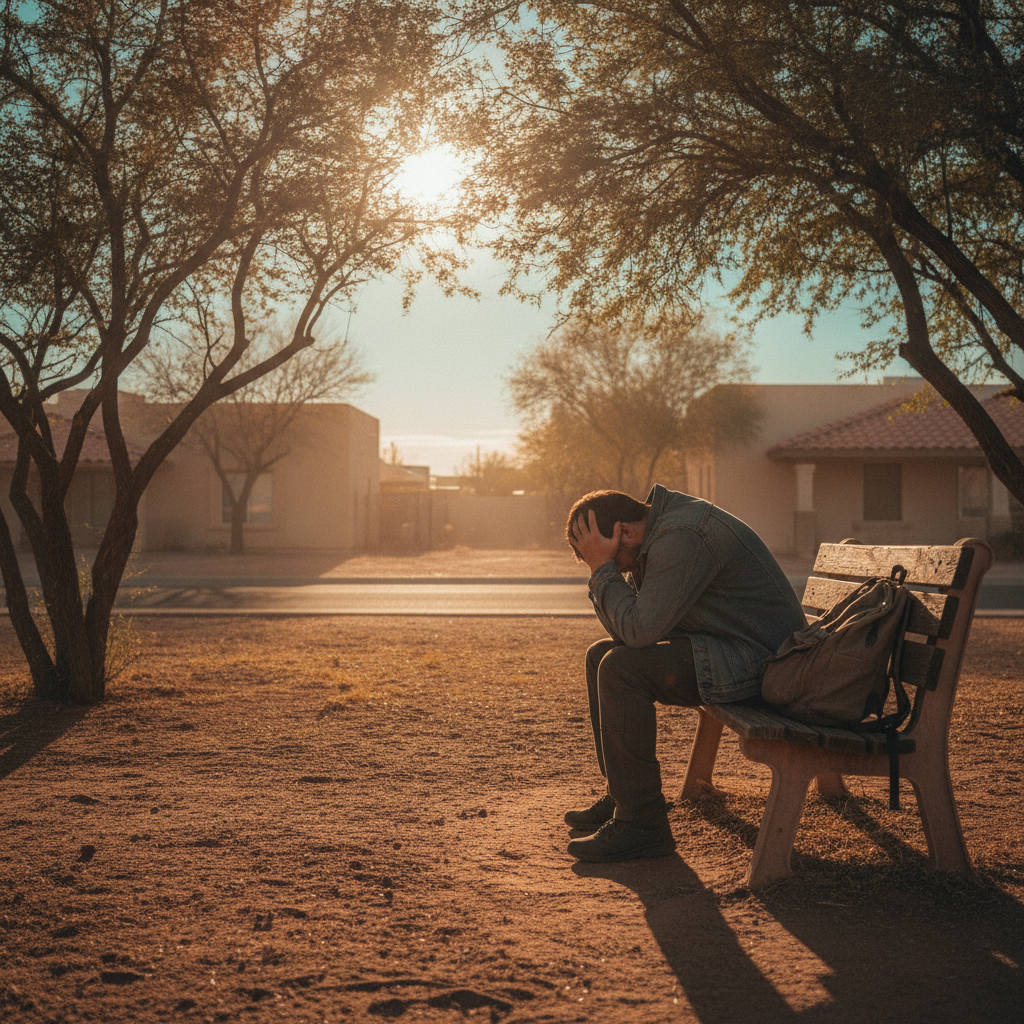
You walk out of detox after five days, the shaking has stopped, but your brain feels like it is running on dial-up. You cannot remember what the intake coordinator just said, nothing sounds interesting, and the craving to use again is not dramatic. It is a flat, persistent whisper you have no energy to argue with. That is the exact moment a meth treatment center either helps you or loses you. At Recovery In Motion in Tucson, the team that meets you in that fog has mostly lived through the same window you are standing in right now, and the program was built around what they know from the inside: there is no pill that turns off meth cravings, so recovery involves structure, honest accountability, and enough time for your brain chemistry to begin adjusting.
Why Is Meth So Much Harder to Treat Than Opioids?
Meth presents different treatment challenges than opioids for one blunt reason. There is no FDA-approved medication for stimulant use disorder. With opioids, a prescriber can start Suboxone or Vivitrol and may reduce physical cravings within days. With meth, and with alcohol the picture is different because those have approved medications, no such option exists for stimulants. Recovery approaches rely heavily on behavioral change, peer support, and time.
Here is what that means for you day to day. Methamphetamine floods your brain with dopamine, the chemical tied to motivation and pleasure. Over months and years of use, your brain may reduce its own dopamine production at a normal level, because the drug kept doing the job for it. When you stop, you may experience two things the team at Recovery In Motion sees frequently: cognitive fog and anhedonia. Cognitive fog is why you may struggle to hold a thought or remember a conversation. Anhedonia is why nothing feels good, not food, not music, not the people you love.
Those two symptoms often present significant barriers, not the physical withdrawal. Physical withdrawal from meth is typically short. The mental and emotional challenges can last weeks to months. Recovery In Motion’s clinical team shares this information about brain chemistry with you on purpose, so you understand why you may feel unmotivated, anxious, or depressed even after you stop using. When you know the fog may be your dopamine system adjusting, and not proof that you are hopeless, you may be more likely to stay engaged long enough to experience improvement.
What Does a Meth Treatment Center Actually Do Day to Day?
At Recovery In Motion’s Tucson meth treatment center, the Intensive Outpatient Program runs groups Monday through Friday, 8am to noon, using trauma-informed care, CBT, and DBT. It pairs that talk work with physical wellness like sleep hygiene, diet, and exercise. You are also asked to attend six twelve-step meetings a week on your own time, outside of group hours.
The reason for that structure is simple. Meth cravings often accompany an emotion or a stressor, so the program teaches you skills to respond to the wave before it overwhelms you. If you walk in with an intense craving, a Behavioral Health Technician meets you within moments. They walk you through deep breathing and five-senses grounding: name something you can smell, taste, touch, and hear. That may help pull you out of the spiral in your head and back into the room. In group sessions, you build longer-range tools like urge surfing, delaying, and distracting, so the craving that feels like an emergency may become something you can manage.
Accountability is where this program differs from a talk-only model. Drug testing starts at twice a week. Test negative for 30 days and it steps down to once a week. Test positive and it jumps to three times a week, and you are placed on a behavioral contract that requires you to follow every program rule, including negative tests, before the frequency drops again. A second positive after that may mean a move to a higher level of care, not a discharge that dumps you back on the street. The setback is real, and the program responds by raising support, not by giving up on you.
The First Week, First Month, and Third Month of Recovery
Recovery from meth often follows a rough but somewhat predictable arc: fog in week one, an emotional flatline around month one, and a gradual return of motivation and pleasure that may begin around month three. Knowing that timeline can help, because difficult days often come before improvement, and many individuals discontinue treatment right before things may turn.
In week one, expect the cognitive fog to be at its heaviest. You may sit in group and lose the thread mid-sentence, forget appointments, or feel like your thoughts are moving through mud. This is common and typically temporary. The program keeps the structure tight during this window on purpose, because your own decision-making may not be reliable yet, and outside structure is standing in for the judgment your brain cannot supply.
Around month one, many individuals experience an anhedonia plateau. The fog may lift a little, but a heavy flatness can set in. Nothing feels rewarding, and the danger here is a quiet thought that says using is the only thing that ever made you feel anything. This is a critical stretch, and it is exactly why the six weekly meetings and the peer connection matter, because other people may carry the belief that it can get better while you cannot feel it yet.
Around three months of continued abstinence and steady behavioral work, dopamine pathways may begin to stabilize, and some people start to notice that small things feel good again. One man who came through the program had been defining himself by his addiction. After he worked through that identity, became abstinent from meth, and stayed engaged, he earned his peer support certification and now works in the field helping other people in recovery. Individual experiences vary significantly, but his story demonstrates that meaningful change in a person’s life can occur with sustained engagement.
Will You Be Turned Away If You Relapsed Before or Came From Jail?
No. Recovery In Motion accepts clients that other Tucson facilities turn away, including people coming straight from incarceration and people with multiple relapse histories. That is a deliberate choice, and it is tied to who runs the program.
The majority of the staff are people in recovery who have been through stimulant use themselves. They know what it does to a person to be looked at as nothing but an addict. As one team member put it, being labeled that way is demoralizing, so they take the label out of it. You are not an addict, you are a person who has an addiction and needs a structured environment, time, and someone who can actually relate to what you are living through. That peer-staff majority provides credibility throughout the program, because it is hard to tell someone who has been exactly where you are that they do not understand.
Access is the other piece, and in Tucson it matters more than people admit. Recovery In Motion accepts and verifies AHCCCS, [Banner Health](https://recoveryinmotion.com/banner-health-rehab-coverage-tucson/), [Molina](https://recoveryinmotion.com/does-molina-cover-addiction-treatment-arizona-tucson/), and Medicaid, plus private insurance. Many individuals leaving county detox or the justice system carry Medicaid and need to know right away whether they can afford the next 90 days without a gap. Federal rules require Medicaid and most health plans to cover substance use disorder services, and you can confirm the general scope of that coverage through Medicare’s mental health and substance use disorder page. Recovery In Motion checks your specific coverage during intake, so you are not guessing.
Treating the Trauma and Mood Disorders Underneath the Meth Use
Recovery In Motion treats co-occurring mental health conditions at the same time as methamphetamine use disorder, including PTSD, anxiety, depression, bipolar disorder, and ADHD, along with general mood, sleep, and stress disorders. This matters because meth use and untreated mental illness often feed each other, and treating only one may leave the other free to pull you back.
The clinical work is led by a clinical director who is an LPC and LIAC, with an LAC therapist on the team and Behavioral Health Technicians who run the peer groups. The facility is accredited by the Joint Commission, which means an outside body audits whether the program documents real treatment plans, uses recognized evidence-based methods, and changes course when your progress changes. That accreditation is something you can and should verify for any meth treatment center you are considering.
Integrated care is not a slogan here, it is a necessity for people who use stimulants. A large share of people with meth use disorder carry trauma histories, and the drug often started as a way to manage panic, flashbacks, or a mood they could not manage any other way. These histories frequently include physical or sexual abuse, and if a program addresses only the substance, the trauma is still there when you leave, and it may drive you back to use. One woman who came through with a history of physical and sexual trauma earned her recovery support certification, maintained sobriety for two years, and now works as an advocate for other women who survived sexual assault. Changes like hers occur when trauma and substance use are treated together, not in separate buildings by teams that never talk.
How to Start Meth Treatment in Tucson This Week
The first step is one phone call, and it moves quickly. Recovery In Motion verifies your AHCCCS, Banner Health, Molina, or private insurance right away during intake, so affordability is answered before you commit to anything. To enter the IOP, you need to be substance free for at least 30 days, usually after completing detox and a residential stay, and not actively suicidal. Recovery In Motion does not run detox on site, so if you are still in acute withdrawal, the team connects you with a trusted local detox partner first.
Once you are eligible, the intake process includes a cognitive and clinical assessment, an introduction to the Behavioral Health Technician who will help you through cravings, and your first group session. In your first 72 hours you get a therapist and a case manager, and the daily structure begins. If you are coming out of incarceration or homelessness, you may start in sober living, where for the first two weeks you do not leave without staff, because that early structure can help maintain safety while your judgment stabilizes.
Case management starts working on the practical barriers that may complicate recovery in Tucson, offering hands-on assistance with things like replacing a lost ID, a Social Security card, or a birth certificate, and arranging transportation. This is the kind of order-of-operations work that puts your daily life back together. In week four, employment readiness is assessed, because a job, an ID, and a way to get around can support stable recovery. If you want to see the full range of licensed programs near you before you call, the free federal tools at FindTreatment.gov and the SAMHSA treatment locator let you compare the types of options available in your own zip code.
Frequently Asked Questions
Is there medication for methamphetamine addiction like there is for opioids?
No. There is no FDA-approved medication for stimulant use disorder, unlike opioids. Recovery from meth relies on behavioral therapy, peer support, structure, and time for brain chemistry to repair. That is why a strong behavioral program matters so much.
What happens if I test positive for meth during IOP treatment?
Testing increases to three times per week, and you are placed on a behavioral contract requiring negative tests and full program compliance. A second positive may mean a transfer to a higher level of care, not an automatic discharge. The goal is more support, not punishment.
How long does it take to feel normal again after quitting meth?
Cognitive fog usually lasts weeks, anhedonia often peaks around month one, and dopamine pathways may begin to stabilize around three months with steady abstinence and behavioral support. Individual timelines vary significantly. The most challenging stretch often comes before noticeable improvement, which is why staying engaged matters.
Does Recovery In Motion accept AHCCCS or Medicaid for meth treatment?
Yes. Recovery In Motion verifies AHCCCS, Banner Health, and Molina coverage during intake, which makes IOP available for individuals leaving county detox or the justice system with Medicaid in hand.
Will I be turned away if I relapsed before or came from jail?
No. Recovery In Motion accepts clients other Tucson facilities turn away, including people coming straight from incarceration and people with multiple relapse histories.
What does a typical day in meth treatment at Recovery In Motion look like?
Groups run Monday through Friday, 8am to noon, using trauma-informed care, CBT, and DBT. You attend six twelve-step meetings a week on your own time, complete regular drug testing, and work on physical wellness like sleep hygiene and exercise.
Call Recovery In Motion’s Tucson office today to verify your insurance, schedule an intake assessment, and find out exactly what your first week will look like with a team who has been where you are. The most important thing to know before you dial is this: the fog you or your loved one may be feeling right now is not the finish line, it may be part of adjustment, and the people who stay engaged through month one may be the ones who experience the month-three morning where the world starts feeling like something worth waking up for again.
Take the First Step Toward Stimulant Recovery
If you or someone in your family is struggling with methamphetamine use, you don’t have to figure out the path forward alone. Recovery In Motion in Tucson offers integrated treatment designed specifically for stimulant addiction, with a team that understands the unique challenges of meth recovery. Reaching out today means getting answers to your questions and learning what personalized care could look like for your situation.
Individual experiences with methamphetamine recovery vary considerably based on use history, co-occurring conditions, treatment engagement, and other personal factors. Recovery timelines, symptom patterns, and outcomes differ from person to person.