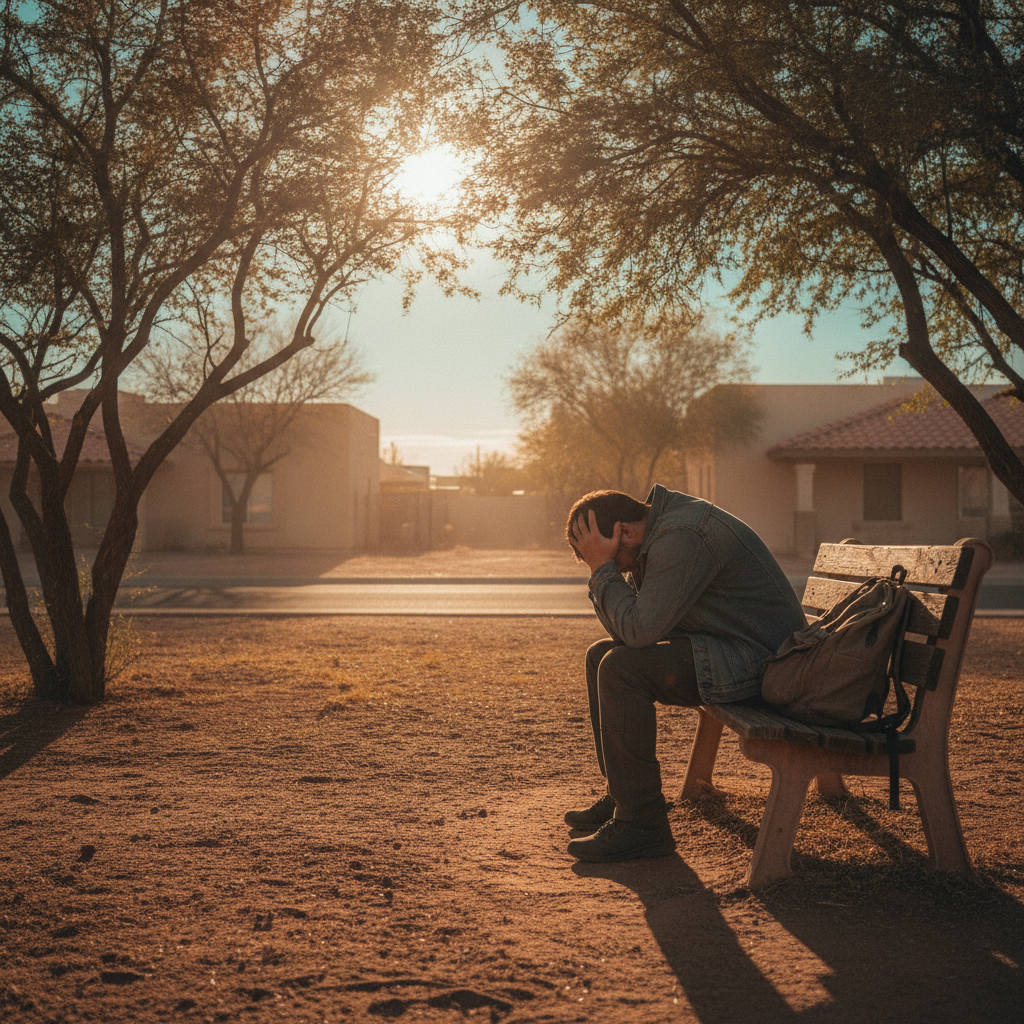
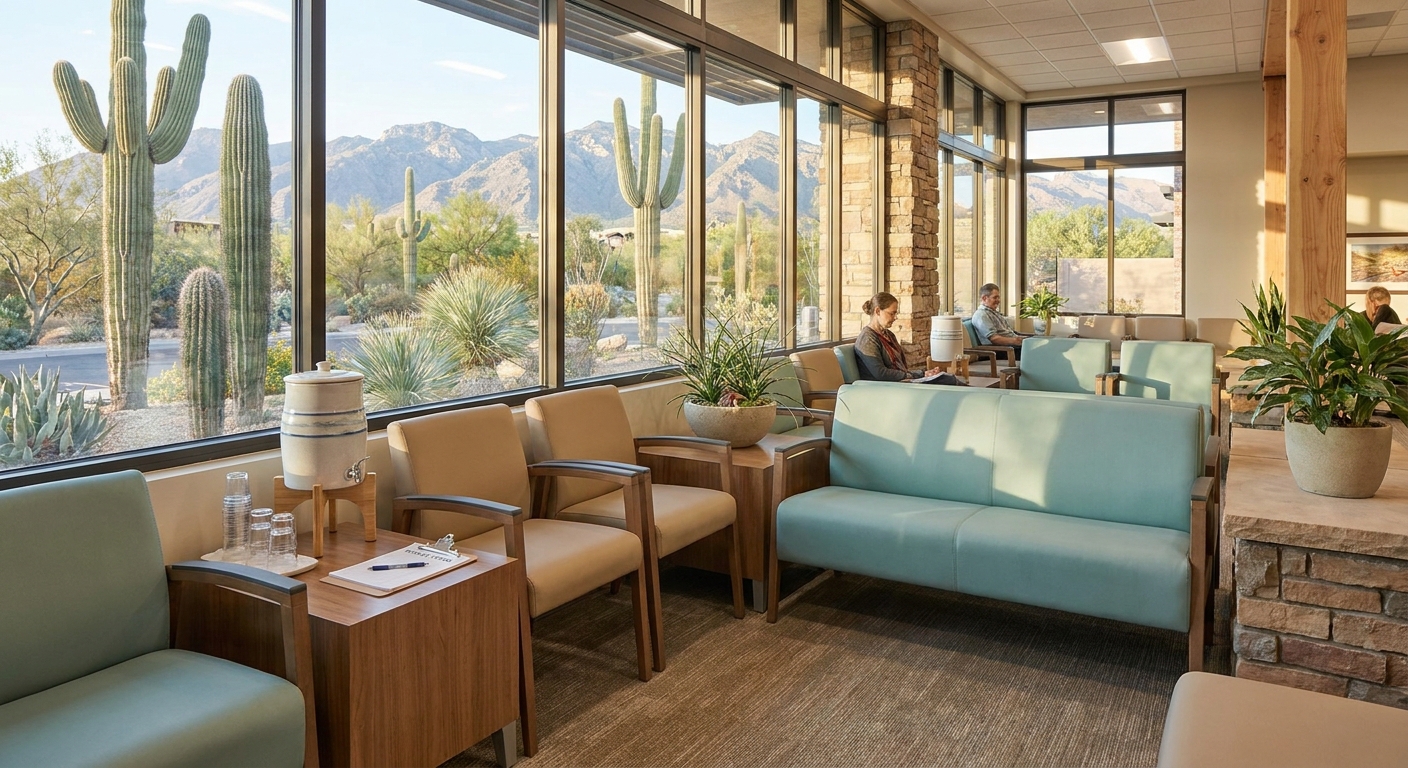
If you’re seeking outpatient mental health + addiction services in Tucson, you’ll find a range of evidence-based options designed to fit your schedule and clinical needs. Outpatient programs let you maintain work, school or family responsibilities while accessing professional support. Whether you need flexible telehealth sessions, intensive group treatment or medication assisted therapy, you can build a recovery plan that adapts to your life.
Recovery In Motion positions itself as a balanced outpatient provider combining evidence-based therapies, medication assisted treatment, dual diagnosis support and holistic elements. In this guide you’ll learn how outpatient care works, compare program types, evaluate treatment approaches and select the right provider for your unique journey.
Understand outpatient care
Outpatient care means you receive structured treatment while living at home or in sober living housing. Unlike inpatient programs where you reside full time at a facility, outpatient services let you attend scheduled sessions around other commitments. This flexibility makes outpatient a first-line option for many individuals seeking mental health and addiction support (SAMHSA).
Benefits of outpatient care:
- High scheduling flexibility to fit work, school or family life
- Lower cost compared with residential treatment
- Opportunity to practice coping skills in real-world settings
- Continued access to social support networks
- Variety of program intensities to match your stability level
Outpatient vs inpatient care
Comparing key features helps you decide which model fits your needs:
| Feature | Outpatient | Inpatient |
|---|---|---|
| Residency | Lives at home or sober living | Lives at treatment facility |
| Schedule flexibility | High | Low |
| Clinical hours | 3–20+ hours per week | 24 hours per day |
| Cost | Often under $1,000 per month | $2,000 to $40,000 per month if uninsured |
| Ideal use | Mild to moderate symptoms, upkeep | Severe withdrawal, round-the-clock care |
| Care setting | In-person or telehealth | Hospital-affiliated facility |
Data source: The Recovery Village, SAMHSA
Explore program types
Outpatient options range in intensity from standard counseling to partial hospitalization. Understanding each level helps you choose the right fit.
Standard outpatient services
In a standard outpatient program you attend:
- Individual counseling
- Group therapy sessions
- Psychoeducation on relapse prevention
- Case management and referrals
Typical duration is 1 to 9 hours per week. You keep living at home and continue work or school. Telehealth options make it easier to join sessions if transportation is a barrier (SAMHSA).
Intensive outpatient programs
Intensive outpatient programs (IOPs) provide a higher level of care without residential stay. You typically get at least 9 hours of service per week in three 3-hour sessions. Components include:
- Structured group therapy
- Individual and family counseling
- Skills training for coping and relapse management
Studies show IOP outcomes match inpatient results for many patients, with 50% to 70% reporting abstinence at follow-up (NCBI). Learn more about IOP options in Tucson at iop outpatient treatment tucson.
Partial hospitalization programs
Partial hospitalization programs (PHPs) deliver 5 to 6 hours of daily treatment, 5 to 6 days per week. PHPs blend clinical intensity with community living and may include:
- Daily medical monitoring
- Intensive group and individual therapy
- Medication management
- Holistic activities like yoga and art therapy
PHPs are ideal if you need more support than an IOP but prefer to sleep at home.
Compare therapy approaches
Outpatient rehab relies on a mix of proven psychotherapies. You’ll work with clinicians to tailor your plan. Common modalities include:
-
Cognitive behavioral therapy (CBT)
– Identifies and replaces negative thought patterns
– Teaches coping strategies to handle triggers -
Dialectical behavior therapy (DBT)
– Focuses on emotion regulation and distress tolerance
– Useful for co-occurring mood disorders -
Motivational interviewing
– Enhances readiness to change
– Reduces ambivalence toward treatment -
Group therapy
– Builds peer support and accountability
– Provides real-time feedback on recovery skills -
Family therapy
– Addresses relational factors in addiction
– Improves communication and support at home
For a full overview of evidence-based modalities, see our evidence based outpatient rehab resource.
Consider medication assisted treatment
Medication assisted treatment (MAT) combines FDA-approved medications with counseling and behavioral therapies to treat substance use disorders. It’s particularly effective for opioid addiction but also available for alcohol and tobacco use. Common MAT options include:
-
Methadone
– Full opioid agonist, reduces cravings and withdrawal
– Requires daily dosing at a clinic -
Buprenorphine
– Partial agonist, safer overdose profile
– Can be prescribed through qualified outpatient providers -
Naltrexone
– Opioid antagonist, blocks euphoric effects
– Available as daily pills or monthly injections
Approved medications for alcohol use disorder and tobacco cessation are also part of MAT programs (SAMHSA). If you’re exploring medication-based support, check out our outpatient rehab with mat tucson services.
Address dual diagnosis needs
If you face both mental health and substance use challenges, integrated care is key. Dual diagnosis services treat both conditions concurrently to reduce relapse risk and improve outcomes. An effective dual diagnosis program offers:
- Comprehensive assessment by mental health and addiction specialists
- Coordinated treatment plan addressing all disorders
- Combined medication management and psychotherapy
- Therapists trained in co-occurring disorder interventions
Recovery In Motion’s dual diagnosis outpatient center tucson provides seamless support if you have depression, anxiety, PTSD or bipolar disorder alongside addiction. Learn more about our integrated outpatient dual diagnosis care.
Evaluate holistic support
Holistic elements complement clinical therapies by focusing on mind-body wellness. You can strengthen your recovery through:
- Mindfulness meditation and guided imagery
- Yoga, tai chi and movement therapy
- Nutritional counseling for brain health
- Art, music or equine therapy
- Stress management workshops
Holistic activities reduce anxiety, improve sleep and enhance self-awareness. Ask about holistic options when you explore therapy and addiction outpatient az programs.
Review cost and coverage
Outpatient treatment is usually more affordable than residential care. Typical costs include:
| Service | Outpatient cost | Inpatient cost |
|---|---|---|
| Basic counseling program | Under $1,000 per month | $2,000 per month |
| Comprehensive outpatient plan | $1,000–$3,000 per month | $15,000 or more per month |
| MAT add-on fees | $200–$500 per month | N/A |
Many outpatient programs accept private insurance, Medicaid or Medicare. You may find sliding scale fees, payment plans or grant-supported spots. Verify your benefits before enrolling by contacting our team or visiting our outpatient rehab with insurance tucson page.
Prepare for outpatient care
Getting ready for outpatient rehab ensures a smooth start. Here’s how to prepare:
- Schedule an initial assessment with the provider
- Gather your medical history and medication list
- Check insurance coverage or sliding scale eligibility
- Arrange reliable transportation or telehealth access
- Establish a sober support network of friends or family
- Create a private space for telehealth sessions
- Set personal recovery goals and track progress
Our outpatient counseling addiction team will guide you through each step.
Select the right provider
Choosing an outpatient center is a pivotal step. Compare these criteria:
| Criterion | What to look for |
|---|---|
| Accreditation | Joint Commission, CARF |
| Evidence-based therapies | CBT, DBT, motivational interviewing |
| Staff credentials | Licensed therapists, psychiatrists, addiction specialists |
| MAT availability | On-site medication management |
| Dual diagnosis support | Integrated treatment for co-occurring disorders |
| Holistic programs | Wellness activities to complement therapy |
| Cost options | Sliding scale, insurance acceptance |
| Location | Convenient Tucson sites or telehealth access |
At Recovery In Motion’s outpatient addiction care center az, you’ll find accredited clinicians, on-site MAT, dual diagnosis expertise and holistic supports, all delivered in a supportive outpatient setting. Learn about our outpatient rehab clinic az locations.
Take the next step
Your path to recovery starts now. Reach out to Recovery In Motion for a free confidential assessment and personalized treatment plan. Call our Tucson office, request an online consultation or visit our outpatient addiction treatment tucson page to get started. You don’t have to face addiction or mental health challenges alone, we’re here to support you every step of the way.