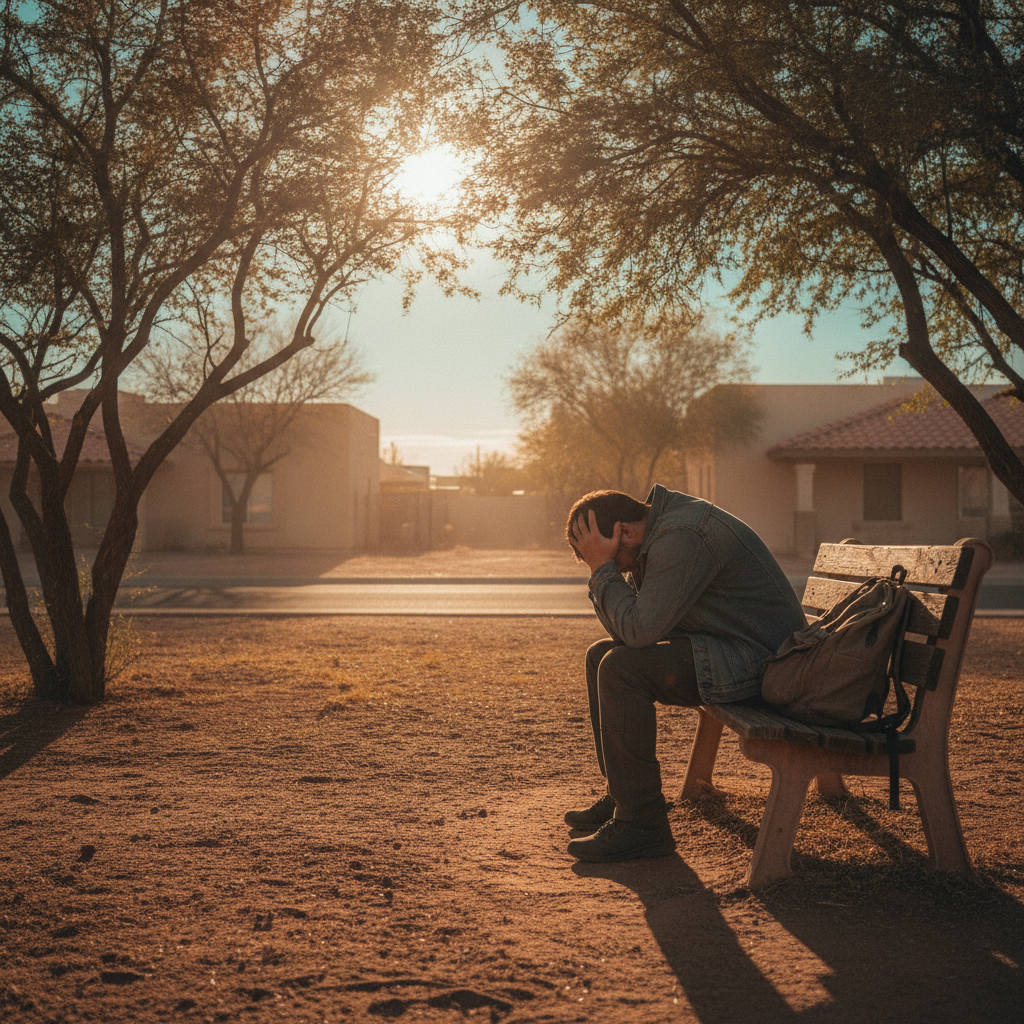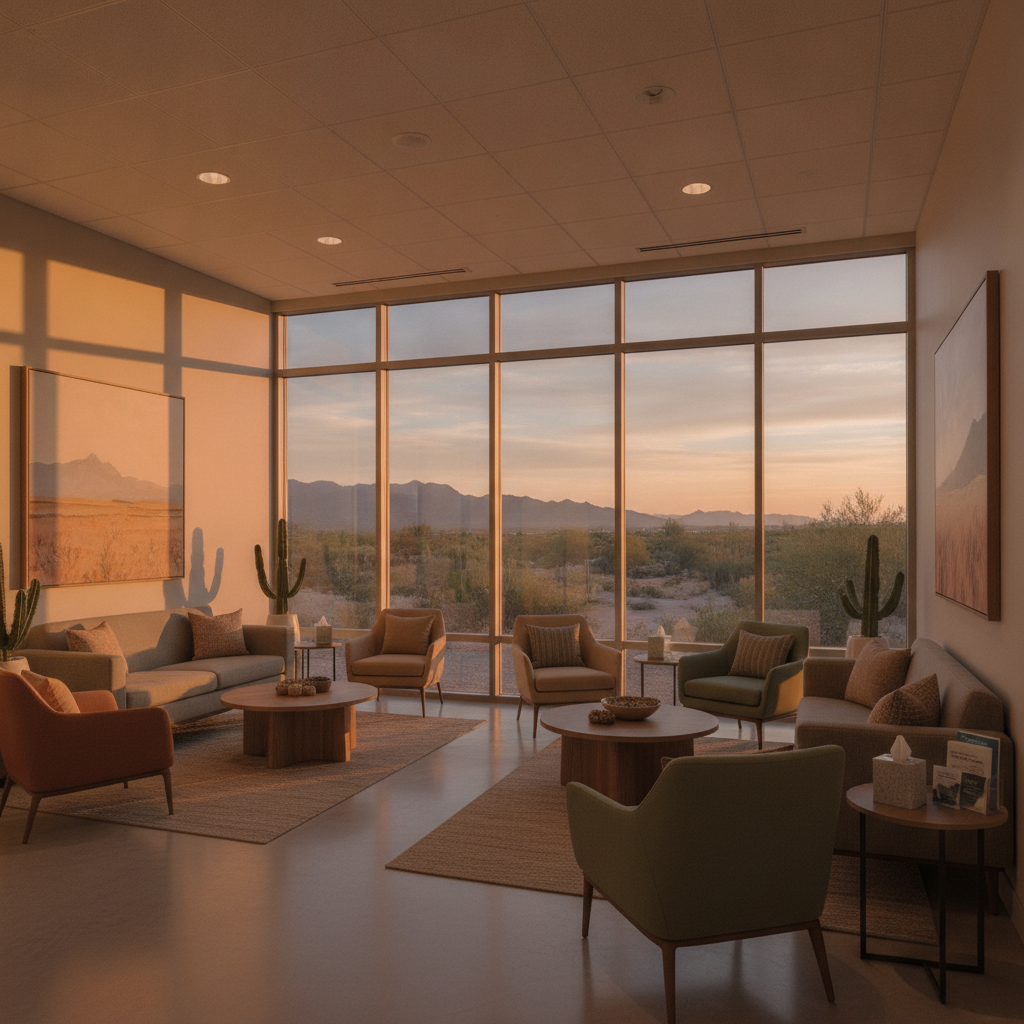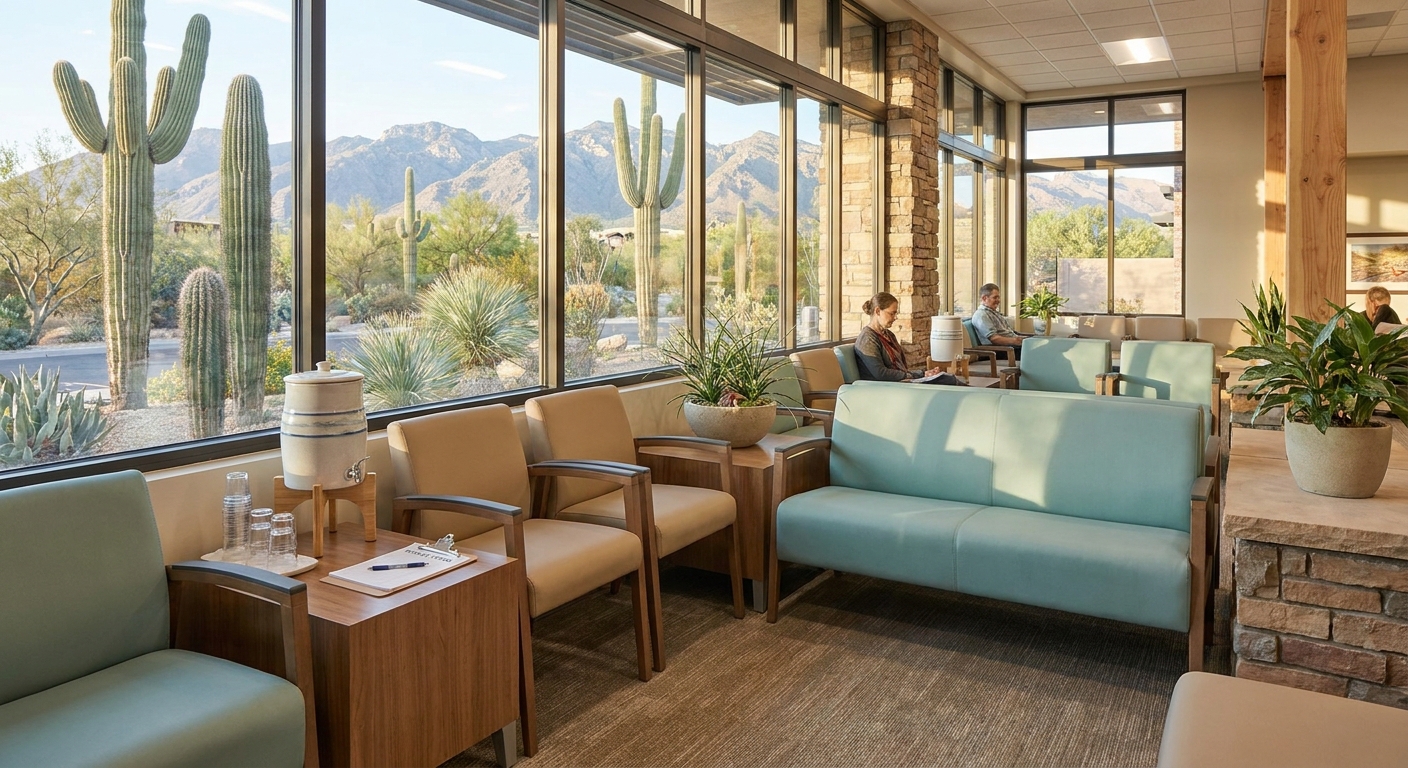
When you search for therapy and addiction outpatient AZ, you’re looking for a treatment path that fits your life in Tucson without upending your daily routine. Outpatient addiction care allows you to attend therapy sessions and medical appointments while maintaining work, school, and family commitments. By choosing a program that blends clinical rigor with flexible scheduling, you can access evidence-based support close to home.
Outpatient treatment in Arizona leverages proven therapies, medication-assisted treatment (MAT), and integrated support for mental health and substance use disorders. In this guide, you’ll learn how outpatient addiction services in Tucson combine clinical credibility, affordability, and holistic elements to help you build lasting recovery. Whether you’re weighing program options or planning next steps, this article will clarify how outpatient care works for you.
understand outpatient addiction
Outpatient addiction programs let you live at home or in sober living while you receive structured care. Unlike residential rehab, you’ll commute to your treatment center for therapy, group sessions, or medical visits. This arrangement offers several advantages:
- Flexibility to maintain daily responsibilities
- Continuity with your support network
- Lower cost compared to inpatient options
Outpatient models range from standard counseling formats to more intensive schedules. If you need a structured environment but can’t step away from work or family, programs like comprehensive outpatient rehab Tucson can provide the right balance. Many centers in Arizona, including those near Tucson, are licensed and accredited to deliver high-quality outpatient services tailored to your needs.
explore evidence-based therapies
Evidence-based approaches form the foundation of effective outpatient care. You’ll work with clinicians who apply therapies validated by research to reduce cravings, manage triggers, and improve coping skills. Common modalities include:
- Cognitive behavioral therapy (CBT)
- Dialectical behavior therapy (DBT)
- Motivational interviewing
- Family and marriage therapy
- Art and experiential therapies
Therapies like CBT and DBT focus on reshaping thought patterns and emotional regulation, helping you respond to stress without substance use. Group and family sessions build support and accountability within your recovery circle. For a deep dive into research-backed outpatient methods, see our evidence based outpatient rehab page. According to the Substance Abuse and Mental Health Services Administration, these interventions are key to long-term success [1].
compare care settings
Choosing between residential and outpatient care often comes down to your level of need, budget, and daily responsibilities. The table below highlights key differences:
| Feature | Inpatient rehab | Outpatient rehab |
|---|---|---|
| Living arrangement | Onsite full time | At home or in sober living |
| Supervision | 24/7 clinical monitoring | Scheduled sessions |
| Flexibility | Low, structured environment | High, work/school compatible |
| Typical cost | \$2,000–\$40,000 per month | Under \$1,000 per month |
| Recommended duration | 30+ days | Varies by program level |
Cost estimates vary by level of care and services included. According to RehabNet, a 30-day inpatient stay in Arizona averages \$56,789 [2]. In contrast, many outpatient programs cost less than \$1,000 a month [3]. By comparing these models, you can select the setting that aligns with your goals and resources.
evaluate program options
Outpatient centers offer a spectrum of schedules and intensities. You can choose the level of structure that matches your recovery stage and personal commitments.
standard outpatient programs
- 1–3 sessions per week (1–2 hours each)
- Focus on individual and group therapy
- Education on coping skills and relapse prevention
Standard formats suit those with stable home environments and mild to moderate addiction issues. You can continue working or studying while attending sessions regularly.
intensive outpatient programs
- 3–5 sessions per week (3–4 hours each)
- Emphasis on relapse prevention and life skills
- Peer support through group therapy
An intensive outpatient program Tucson is ideal if you’ve completed inpatient care or need stronger structure without full residential commitment.
partial hospitalization programs
- 5–7 days per week (6–8 hours per day)
- Medical monitoring and wide range of therapies
- Suitable for severe addiction or co-occurring disorders
Partial hospitalization bridges the gap between inpatient and outpatient, offering near-round-the-clock support in a day-program format.
evening outpatient programs
- Sessions scheduled outside typical work hours
- Individual, group, and family therapy available
- Relapse prevention tailored to your lifestyle
Evening options allow working professionals and students to engage fully in care without sacrificing daytime responsibilities.
consider medication-assisted treatment
Medication-assisted treatment combines FDA-approved medications with counseling to address opioid or alcohol dependence. MAT has been shown to reduce overdose risk and improve retention in treatment. Common medications include:
- Buprenorphine (Suboxone)
- Methadone
- Naltrexone
By integrating MAT with therapy, you stabilize cravings and focus on underlying issues. Many Tucson outpatient centers offer outpatient therapy + MAT Tucson, ensuring you receive both pharmacological and psychosocial support. Your clinician will tailor dosage, monitor progress, and adjust your plan as you advance through recovery.
address co-occurring challenges
If you’re coping with both addiction and mental health conditions, an integrated dual-diagnosis program can be vital. These centers coordinate psychiatric care with substance use treatment, preventing gaps in services and reducing relapse risk. Key components include:
- Comprehensive assessment for mental health and SUD
- Individual therapy addressing both diagnoses
- Medication management for mood and behavioral disorders
- Group sessions focused on coping skills
Seek a dual diagnosis outpatient center Tucson or explore our outpatient dual diagnosis care resources to find programs that treat the whole you.
integrate holistic elements
Holistic therapies complement clinical modalities by nurturing mind and body wellness. Many outpatient clinics in Arizona offer:
- Yoga and mindfulness meditation
- Art, music, or equine therapy
- Nutritional counseling
- Fitness and recreational activities
These practices help you develop stress-management tools, enhance self-awareness, and rebuild your sense of purpose. In addition to standard counseling, look for outpatient substance use program AZ options that incorporate holistic components for a well-rounded recovery experience.
navigate affordability options
Cost shouldn’t be a barrier to care. Outpatient programs generally cost less than residential treatment, and many payment options exist:
- Insurance coverage through in-network providers
- Sliding scale fees based on income
- Financing plans and scholarships
- Free benefit verification services
Contact your insurance company to confirm coverage for outpatient rehab, or use resources like affordable outpatient rehab Arizona and outpatient rehab with insurance Tucson to explore low-cost alternatives. A 24/7 helpline, such as the one from RehabNet, can guide you through financial questions at no obligation [2].
plan your recovery journey
Creating a clear roadmap boosts your confidence and commitment. Consider these steps:
- Schedule an initial assessment to identify your needs
- Develop a personalized treatment plan with your care team
- Choose program options that fit your schedule
- Engage in therapy, MAT, and support groups regularly
- Establish aftercare, including booster sessions and community support
Your recovery journey is unique. By partnering with a trusted outpatient addiction care center AZ, you’ll gain the structure, flexibility, and support necessary for long-term success.
Outpatient addiction treatment in Arizona offers you the chance to heal without sacrificing your life outside rehab. By combining evidence-based therapies, medication-assisted treatment, dual-diagnosis support, and holistic care, you can address the full spectrum of needs that drive lasting change. With affordable options and flexible scheduling tailored to Tucson residents, outpatient rehab puts proven recovery tools within reach. Take the next step today—reach out to a local outpatient provider and begin building the foundation for your renewed life.